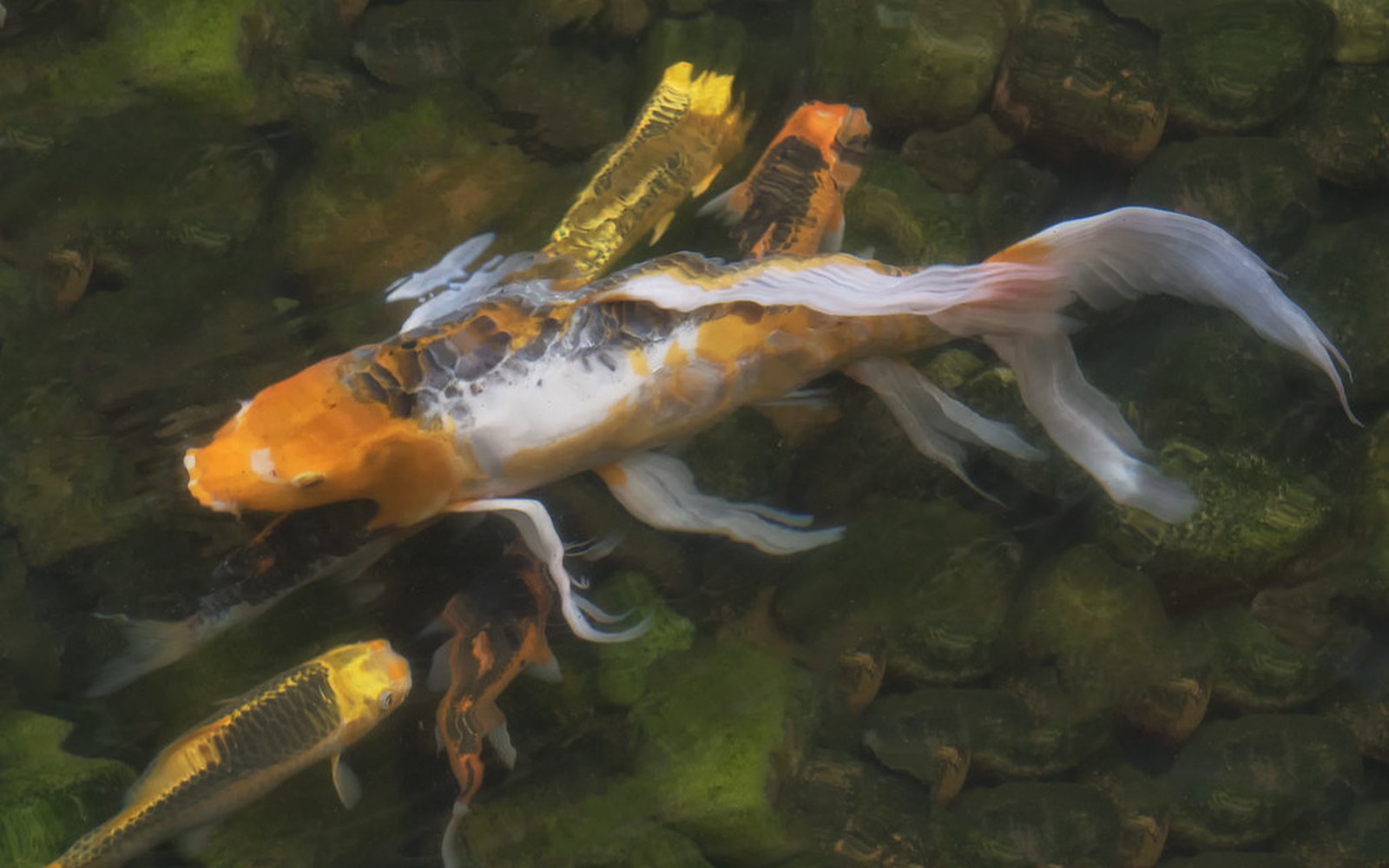
Bakki Shower Filter Guide for High-Oxygen Koi Pond Biofiltration is written for pond owners who want practical decisions, not vague inspiration. See where shower filters outperform closed bio chambers and where they need careful design.
Quick Answer for bakki shower filter
The best result usually comes from matching the pond system to the fish load. A koi pond is not only a decorative water feature; it is a controlled environment where solids removal, oxygen, biofiltration, feeding, and observation all work together.
| Decision Point | What to Check | Why It Matters |
|---|---|---|
| Water volume | Actual gallons or liters, not a visual guess | Controls filtration size and stocking density |
| Filtration | Mechanical stage before bio media | Protects water clarity and bacteria performance |
| Maintenance | Cleaning access, valves, and drain paths | Determines whether the system stays clean long term |
How to Use This Guide
Start with the condition of the pond today. If water is cloudy, fish flash, or the filter needs constant cleaning, solve the water and waste path before buying more koi. If the pond is still in planning, decide the filter room, bottom drain route, pump location, and safe maintenance access before digging.
Common Mistakes
- Choosing a pump before calculating head height and pipe friction.
- Buying koi faster than the biofilter can mature.
- Using UV as a substitute for solids removal or water changes.
- Ignoring quarantine because the new fish looks healthy.
Buying and Upgrade Checklist
For commercial-intent searches such as filters, pumps, liners, UV sterilizers, and stainless chambers, compare lifetime maintenance rather than only the purchase price. Premium equipment often makes sense when it reduces cleaning labor, prevents water quality swings, or supports valuable Nishikigoi.