
The cheapest koi pond is often the one you only build once.
The cheapest koi pond is often the one you only build once.
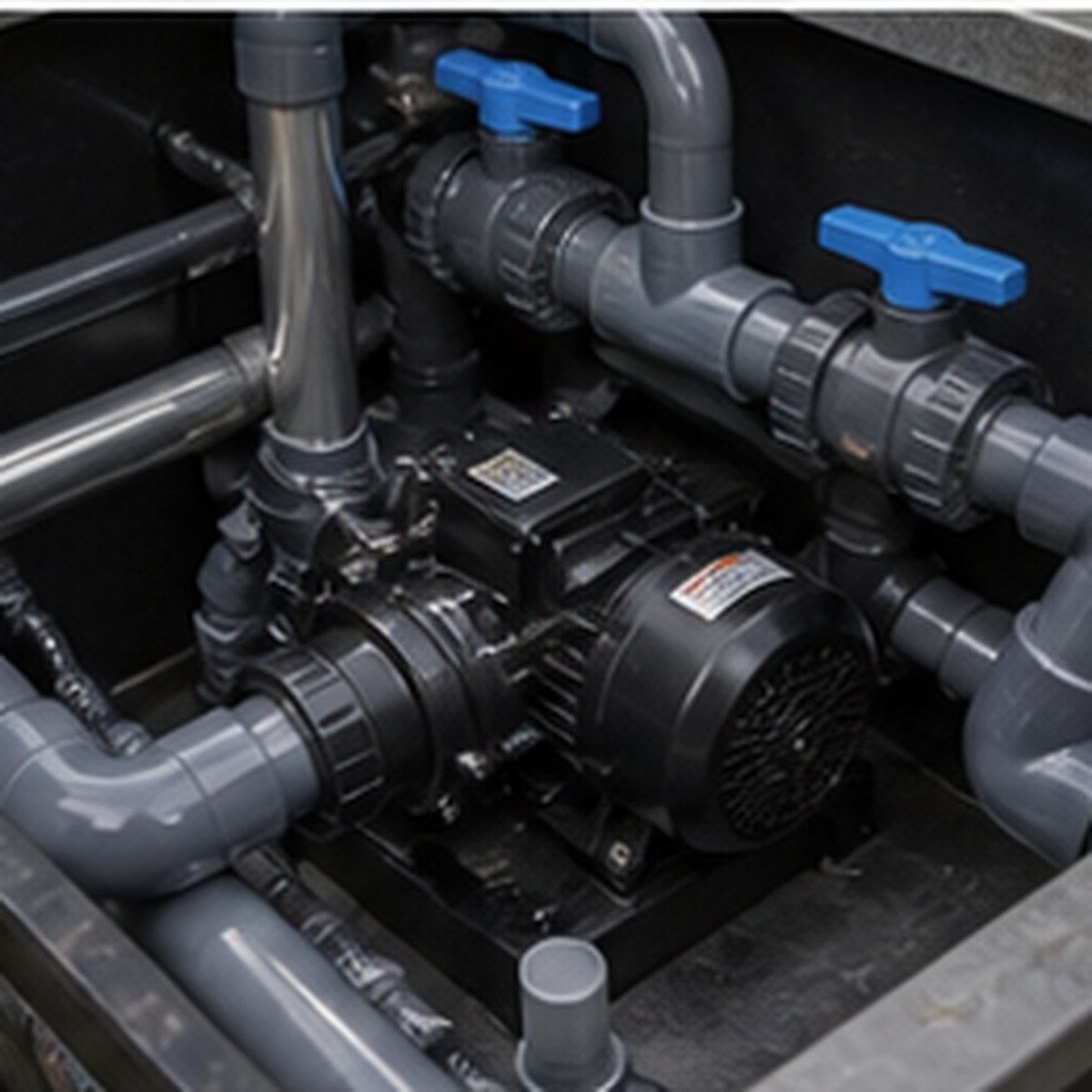
Budget failures usually come from missing infrastructure: no bottom drain, weak access, undersized pipe, a pump that wastes power, or a filter that must be replaced after the first stocking increase.
Field Method
Use this guide as a practical field check, not as a one-time reading. Koi systems reward routine: the same small observations, recorded weekly, reveal whether the pond is improving or drifting toward stress. Start with water movement, solids removal, oxygen, and feeding pressure before buying more equipment.
- Separate one-time build cost from yearly operating cost.
- Price plumbing access, drains, skimmers, valves, and electrical work before decorative stone.
- Size the filter for adult koi, not the small fish bought on day one.
- Keep a reserve for quarantine gear, test kits, replacement bulbs, and pump service.
What Owners Miss
Many owners spend early money on surface beauty and postpone the equipment that protects fish. Later, the same features must be cut open to install the drain, skimmer, or larger return line.
A useful rule is to change one variable at a time. If you clean the filter, change food, add treatment, and replace water on the same day, you may not know which action helped or harmed the pond. Slow documentation is faster than repeated emergencies.
Simple Tracking Table
| Check | Good sign | Action if unstable |
|---|---|---|
| Water test | Ammonia and nitrite stay at zero | Reduce feeding, add aeration, review filter load |
| Fish behavior | Active, balanced, steady appetite | Observe closely and compare with prior notes |
| Filter flow | Even return flow with no odor | Clean mechanical stage and inspect restrictions |
Why It Pays Off
A cost plan that includes maintenance access may look higher on paper, but it lowers the chance of rebuilds, fish loss, and constant manual cleaning.
For a premium koi pond, the goal is not a perfect reading on one afternoon. The goal is a pond that remains understandable: you know what normal looks like, you know which numbers move first, and you know which maintenance step is due next. That is the difference between owning water and managing a living system.